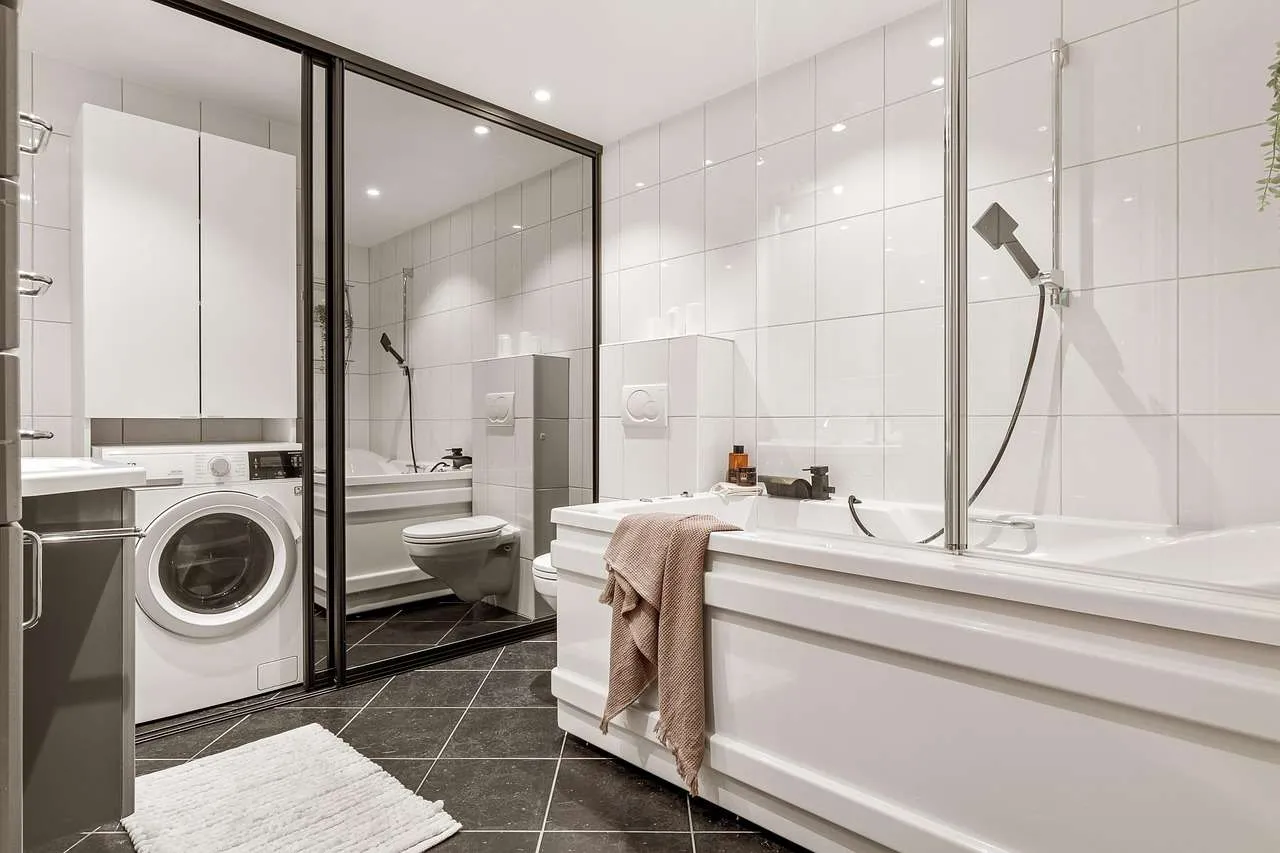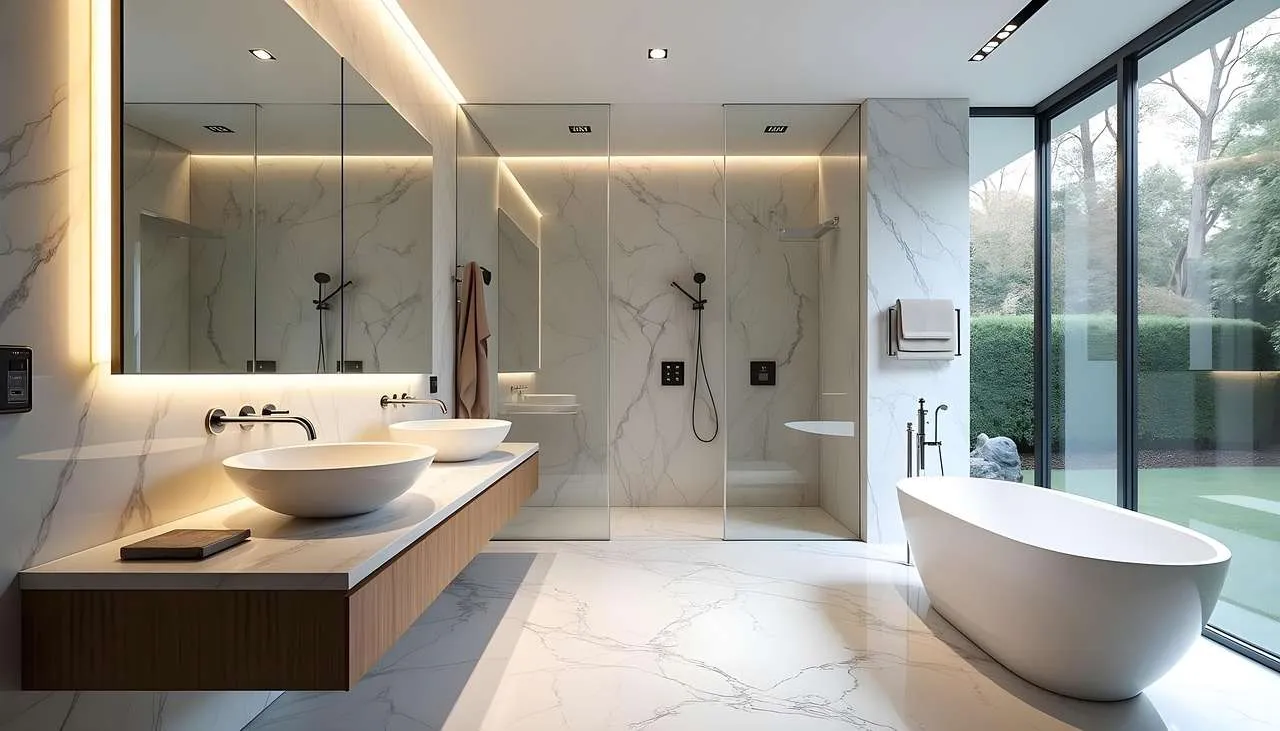
Choosing the right bathroom tiles sets the tone for durability, safety, and style in moisture-prone spaces. This guide draws on industry standards, product knowledge, and practical installation tips to help homeowners and professionals make informed decisions that meet EEAT principles of expertise, authoritativeness, and trustworthiness.
Choosing the Right Bathroom Tiles
In bathrooms, tiles must withstand humidity, frequent cleaning, and potential impacts. Start by defining the area (walls, floors, shower surrounds) and your priorities: durability, maintenance, slip resistance, and design coherence with cabinets and fixtures. The best decisions come from balancing material performance with aesthetic goals.
Tile Materials and Their Pros and Cons
Understanding material types helps you compare costs, care requirements, and long-term performance. Below are four common options often chosen for bathrooms.
Ceramic Tiles
Ceramic tiles are fired clay with a glaze that provides color and protection. They are affordable, lightweight, and easy to cut, making them popular for walls and backsplashes. Unglazed ceramic can offer higher slip resistance but may require occasional sealing in wet zones.
Porcelain Tiles
Porcelain is a denser form of ceramic fired at higher temperatures. It resists moisture and wear well, making it a favorite for floors and showers. Consider selecting a higher grade for high-traffic bathrooms to maximize durability and longevity.
Natural Stone Tiles
Stone such as marble, granite, or limestone adds character and a premium feel. Most stones require sealing to prevent staining and moisture intrusion, and maintenance can be more demanding than ceramic or porcelain. Some stones, when honed, offer superior slip resistance for floors but require ongoing care.
Glass and Other Materials
Glass tiles can brighten a bathroom with light reflection and color accents. They are excellent for backsplashes and feature walls but can be slippery on floors and may demand more frequent cleaning to prevent soap scum buildup.
Finish, Texture, and Slip Resistance
Finish choices influence both aesthetics and safety. Matte and textured finishes tend to hide water spots and scratches, while glossy finishes create a sense of space but reveal residue more readily. For floors, always verify slip resistance ratings and select tiles labeled for wet areas. In showers, textured or digitally embossed surfaces can reduce the risk of slips significantly.
Design and Layout Tips
Tile size and pattern affect perceived space and maintenance. Large format tiles (such as 24 by 24 inches) reduce grout lines and produce a cleaner look, while smaller tiles or mosaics provide grip and intricate patterns. Plan layouts that align with doorways, fixtures, and shower niches. Choose grout colors carefully: a grout that matches the tile can create a seamless appearance, while a contrasting grout emphasizes pattern and can hide dirt in high-traffic zones.
Consider professional installation for moisture control and waterproofing in wet zones. Good substrate preparation and precise grouting are essential for longevity and to meet building codes.
Expert Tips from Pros
Working with a licensed installer ensures proper waterproofing, substrate prep, and flashings around showers and tubs. When selecting materials, ask for product data on absorption rates, water resistance, and warranty. For stone, request a sealed surface and schedule resealing every one to two years based on wear. Keep a sample board on hand to test color and grout choices under bathroom lighting before purchase.
Maintenance and Longevity
Maintenance plans preserve tile beauty and function. Use pH-balanced cleaners compatible with your tile type; avoid acidic agents on natural stone. Seal unpolished stone and unglazed tiles as recommended by the manufacturer to prevent staining. Clean grout regularly to deter mold, and reseal stone and grout as advised by the product guidelines. A well-sealed bathroom with proper ventilation lasts longer and stays cleaner between cleanings.
Cost, Budget, and Sustainability
Prices vary by material, size, and labor. Ceramic tiles are typically the most budget-friendly, porcelain offers a higher upfront investment with long-term durability, and natural stone commands premium pricing and maintenance. Sustainable choices include porcelain or ceramic with recycled content, low-VOC grouts, and locally sourced materials. A long-term view often favors higher-quality installations that resist moisture intrusion and reduce replacement costs.
Comparison at a Glance
| Tile Type | Durability | Maintenance | Best For | Estimated Cost |
|---|---|---|---|---|
| Ceramic | Moderate | Low to moderate | Walls and light-traffic areas | Low |
| Porcelain | High | Low | Floors and wet zones | Medium |
| Natural Stone | High but variable | High | Showers and accents | High |
| Glass | Moderate | Moderate | Backsplashes and accents | Medium |
Choosing the right tile involves balancing durability, maintenance, and design goals. A thoughtful approach combines a strong, slip-resistant floor tile for wet areas with coordinating wall tiles to achieve a cohesive look. Engaging a qualified installer ensures waterproofing, proper substrate preparation, and precise grout lines, all of which contribute to long-term performance and align with EEAT standards.
Summary: The right bathroom tiles balance durability, safety, and style by selecting appropriate materials, finishes, and installation best practices, while planning layout and maintenance to ensure lasting performance.