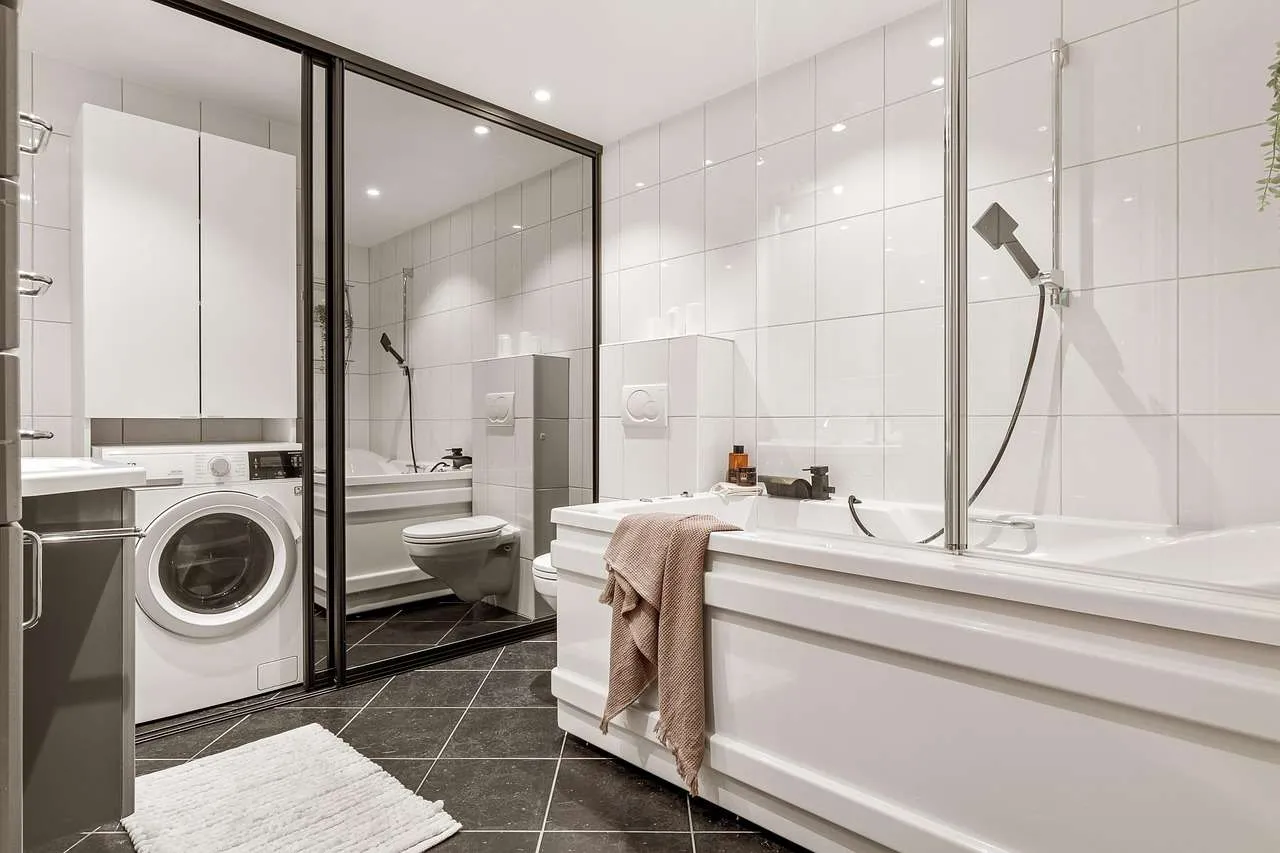
Choosing bathroom tile is about more than aesthetics; it impacts durability, maintenance, and daily living. This guide covers the most common tile options, installation considerations, and maintenance tips to help you make an informed decision with confidence. By presenting expert insights and practical steps, we aim to satisfy readers and search engines while upholding EEAT principles.
Understanding tile types
Tiles come in various materials, each with different performance traits. The right choice depends on moisture exposure, wear, and your design goals.
Ceramic vs Porcelain
Ceramic and porcelain tiles are both made from clay, but porcelain is fired at higher temperatures and denser. Porcelain tends to be more water-resistant and durable, making it a popular choice for showers and floors. Ceramic tiles are lighter, easier to cut, and often more affordable, suitable for backsplashes and walls.
Natural stone and glass
Natural stone like marble, travertine, and slate offers unique beauty but requires more maintenance and sealing. Glass tile can add sparkle and visual depth, especially in backsplashes and showers, but can be slippery when wet and may require professional installation due to grout visibility and cutting challenges.
Size, pattern, and layout
Tile size and layout influence the perceived space. Larger formats reduce grout lines, while small mosaics add texture. Rectified edges ensure tight joints, while herringbone and diagonal patterns create visual interest. Always consider substrate flatness and proper spacing for a durable installation.
Color, style, and functionality
Color choices affect the mood of the space and maintenance needs. Lighter tiles can show smudges and mineral deposits more readily, while darker tiles hide grime but show soap scum in lighter grouts. Slip resistance is critical in wet areas: look for tiles with a high COF rating (such as 0.42 or higher) for floors by the National Floor Safety Institute standards.
Installation considerations
Proper substrate preparation, water management, and professional installation impact longevity. Hire a licensed installer with navigated certifications, check local warranties, and insist on moisture barriers where required. Use the right adhesive for the tile type, allow for proper curing, and seal natural stone where appropriate to protect against staining and etching.
Maintenance and cleaning
Daily cleaning with a non-acidic cleaner and a soft cloth or mop keeps tiles looking new. Grout lines require periodic cleaning and sealing for stone or cement-based grout. Avoid harsh chemicals that can damage coatings or sealants, and address mold or mildew with a mild bleach solution or specialized cleaner. For showers, ensure adequate ventilation to reduce moisture and staining risk.
Comparison table
| Tile type | Water resistance | Durability | Slip resistance | Cost | Best uses |
|---|---|---|---|---|---|
| Ceramic | Good | Moderate | Moderate | Low | Walls, low-traffic floors |
| Porcelain | Excellent | High | High | Moderate | Floors and showers |
| Natural stone | Variable (seal) | High (with care) | Variable | High | Statement walls, baths |
| Glass | Excellent | Moderate | Low (slippery when wet) | High | Backsplashes, accents |
Budgeting and planning
Plan for material costs, underlayment, waterproofing, professional installation, and grout. Because labor can exceed material costs, allocate a realistic budget and allow a contingency for special cuts or sealing. Compare quotes from licensed, insured installers and request a portfolio or project references to verify workmanship quality.
Conclusion
Summary: Selecting bathroom tile involves balancing moisture tolerance, maintenance needs, and design goals. Porcelain and ceramic offer reliable value for walls and floors, natural stone adds luxury with proper sealing, and glass provides sparkle for accents. Professional installation, a robust substrate, proper waterproofing, and regular maintenance ensure durable, beautiful results that stand the test of time.